
Owning the Marketing Website for a Post-Purchase SaaS
parcelLab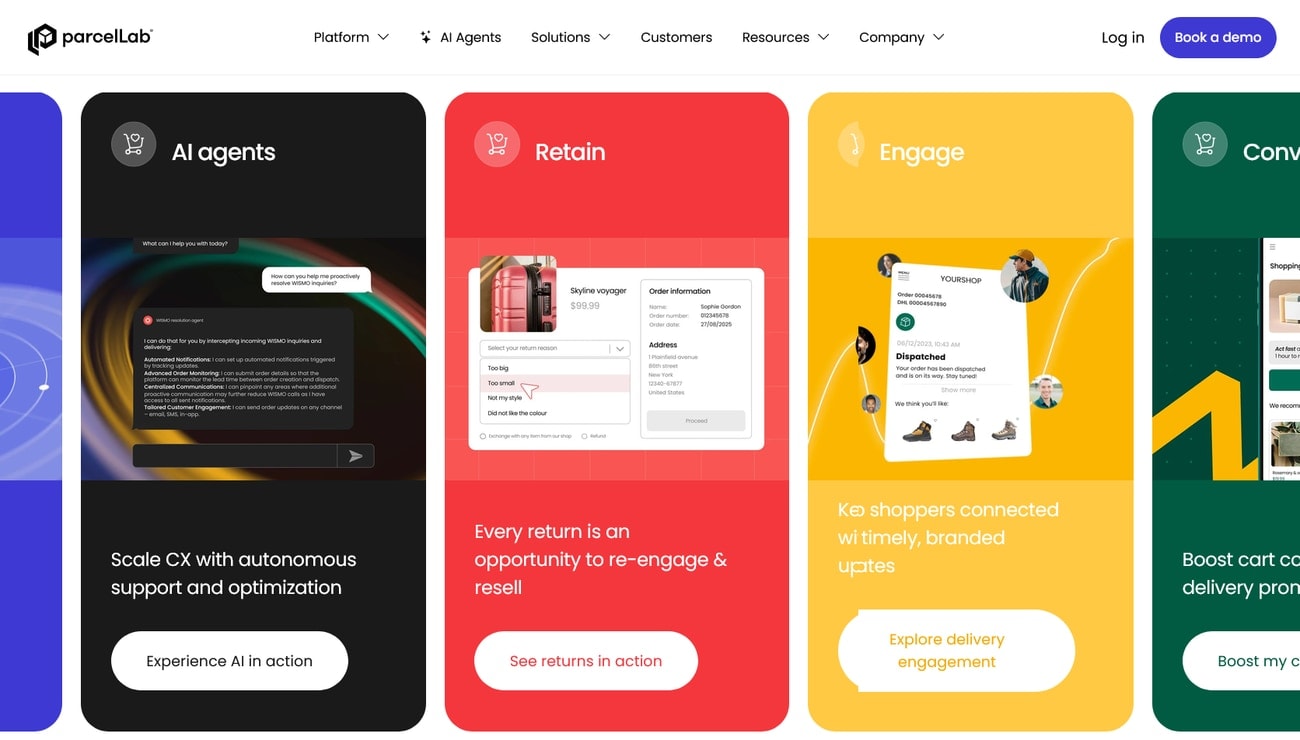
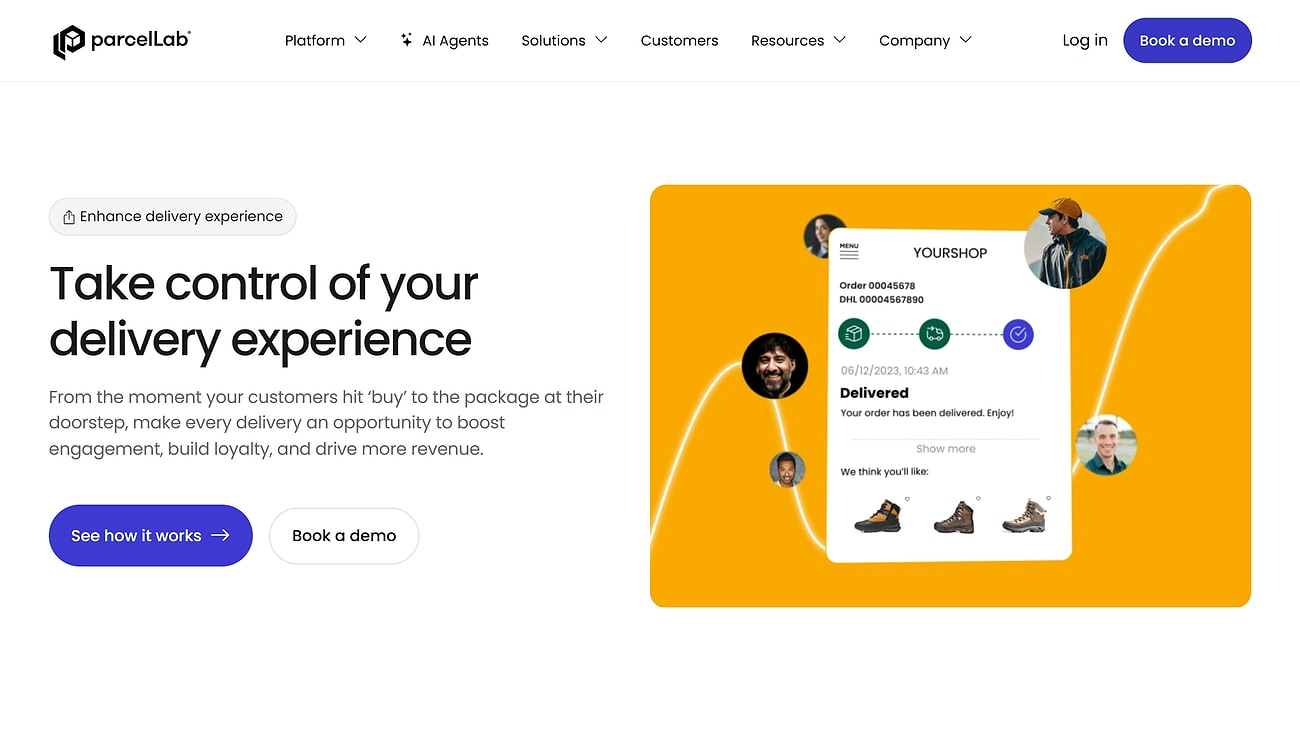
As Website Owner for parcelLab’s SaaS marketing site, I owned 500+ pages end to end across WordPress, HubSpot, analytics, and campaigns. I raised the page speed score from 65 to 90. My AI-assisted page builder cut landing page delivery from 2 days to 2 hours, so marketing could ship drafts without engineering.
The Challenge
parcelLab’s marketing site had to support product launches, demand-gen campaigns, and sales demo booking on a shared WordPress platform, while staying aligned with HubSpot and analytics. Marketing needed faster page iteration without waiting on engineering for every landing page, and integrations had to stay reliable as campaigns and product messaging changed.
My Role
I owned the site end to end, from the roadmap to the frontend and backend builds, performance, CRO, and the HubSpot and analytics connections. Design and demand gen brought the campaigns and launches, and my job was to keep the site ready to ship them.
All website work lived on one board shared with marketing, demand gen, content, and product marketing, and more than 280 tasks went through it.
What I Did
- Built and maintained a 500+ page site with 36 custom Gutenberg blocks, plus event and campaign landing pages in Europe and the US.
- Took the theme over from an agency into an owned GitHub repo, with versioned releases through a GitHub to Kinsta pipeline.
- Ran SEO and GEO work: Semrush audits across 5 templates, plus Markdown pages and llms.txt for AI search.
- Wired HubSpot, GA4, and GTM, and ran consent-gated GrowthBook A/B tests and Core Web Vitals work.
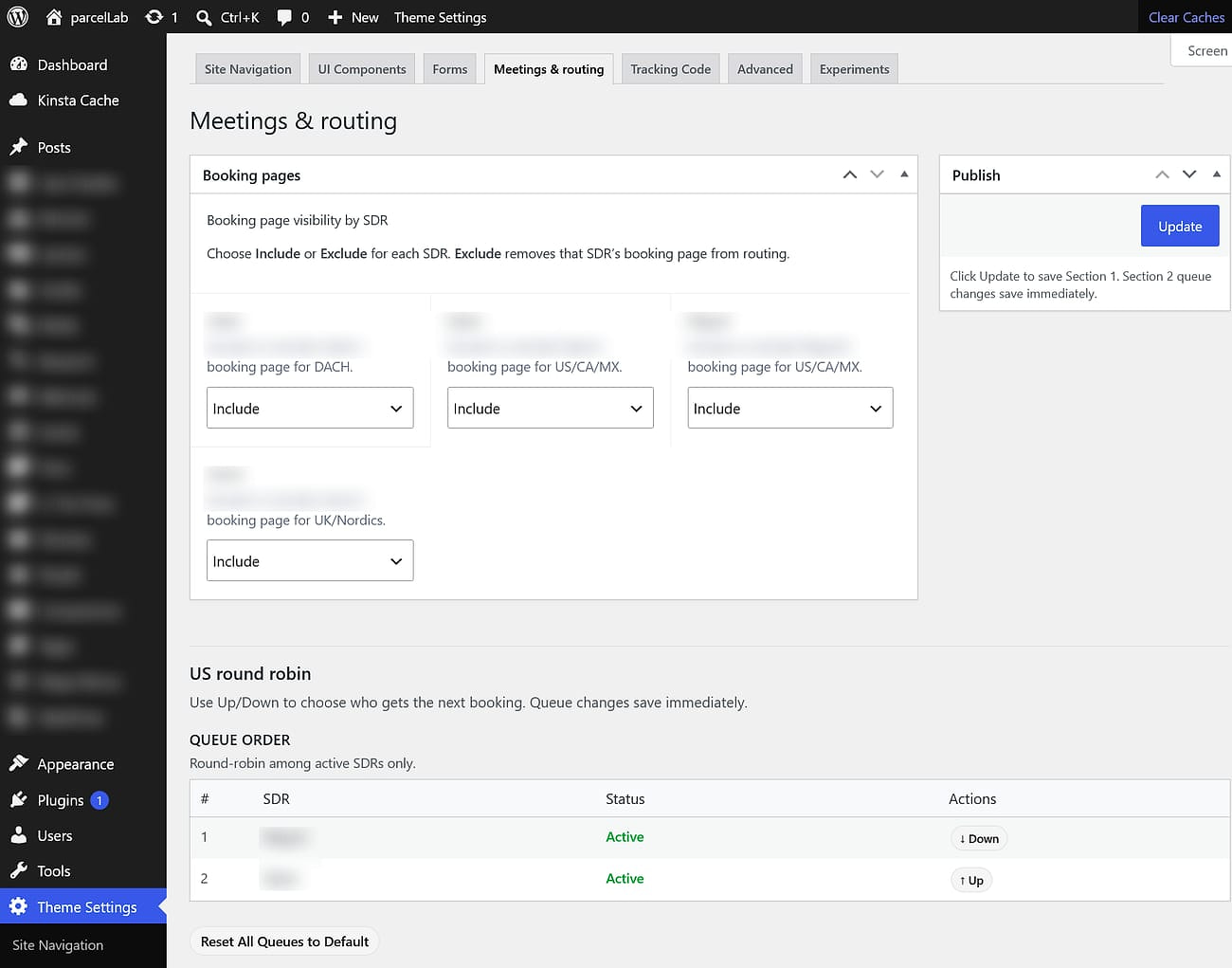
- Redesigned demo booking as a native HubSpot + WordPress flow with round-robin routing across both market regions.
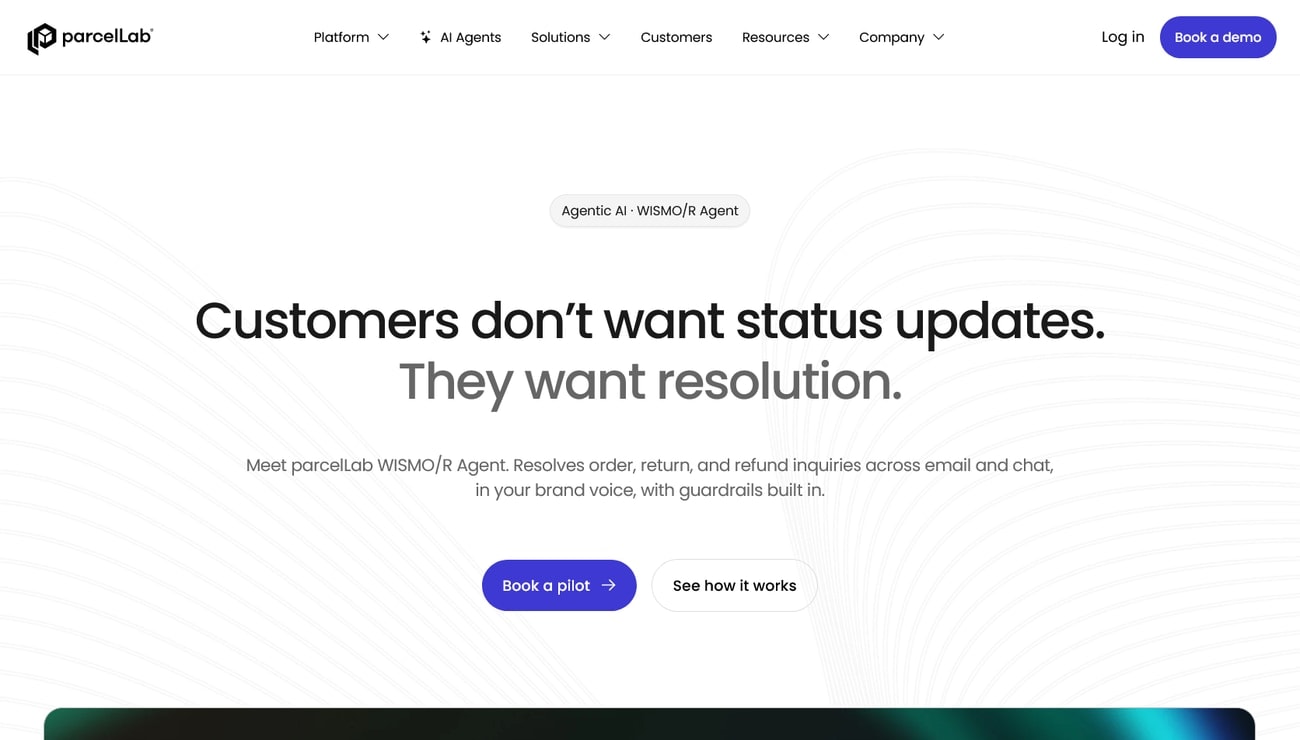
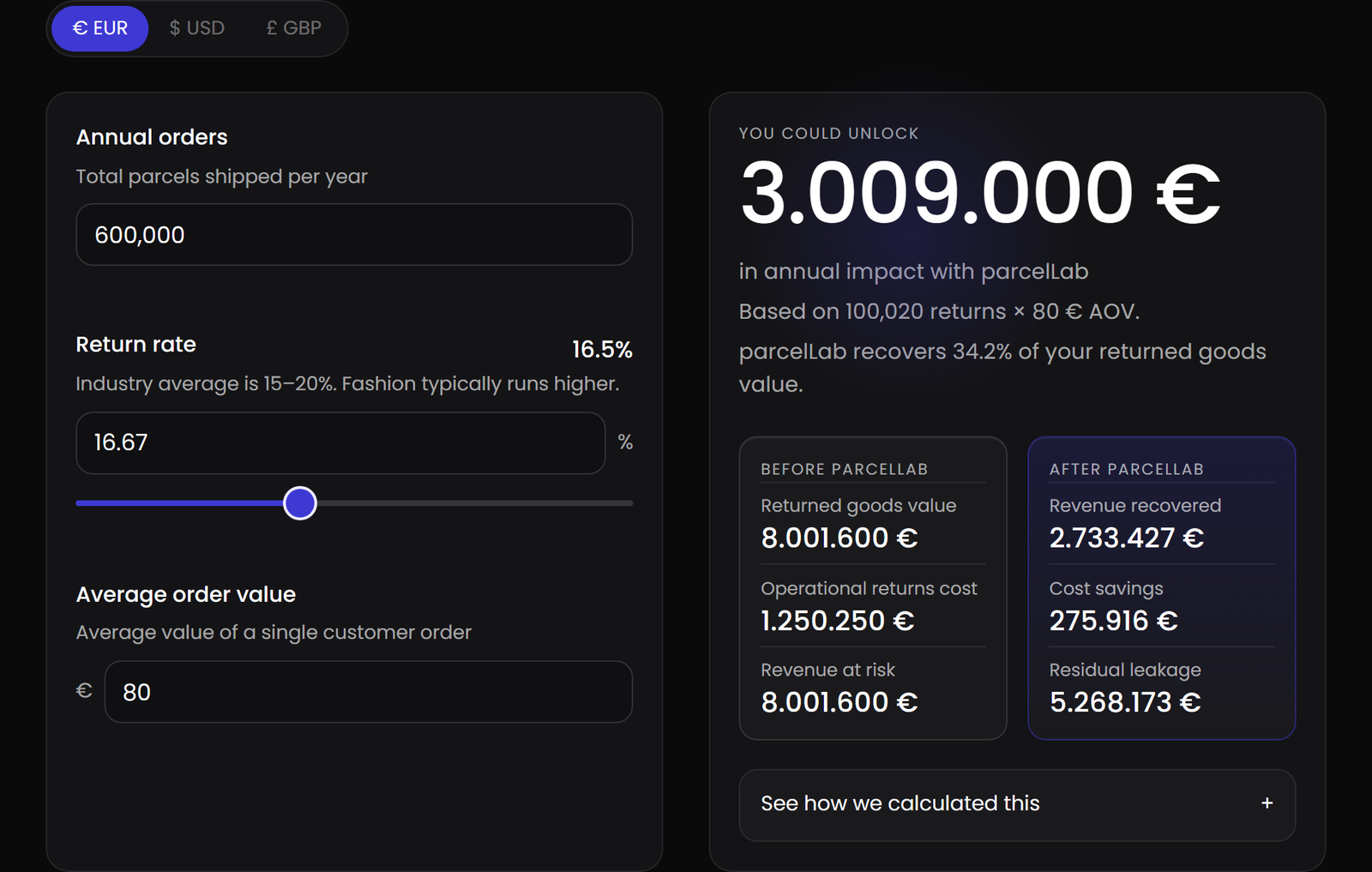
- Shipped the Returns Leak Calculator and the WISMO/R Agent launch page for demand gen and product launches.
- Built the parcelLab Page Builder (PLPB) from scratch with Claude Code, WP-CLI, and 14 MCP servers, then ran a workshop so marketing could use it.
How the page builder works
- Brief: Marketing describes the page: goal, audience, sections.
- Prototype: Claude Code drafts it with 14 MCP servers and the design-token rules.
- Map to blocks: Each section maps to one of the 36 production Gutenberg blocks.
- WordPress draft: WP-CLI creates the draft page in WordPress, ready to edit.
- Review and publish: Marketing reviews, edits, and publishes. 2 hours instead of 2 days.
Results
- Raised the page speed score from 65 to 90.
- Cut landing page delivery from 2 days to 2 hours; marketing now drafts first-pass pages itself.
- Moved demo booking off an expiring scheduler onto an owned stack, on deadline. The first qualified lead came in its first week.
- Fixed carrier pages rendering empty across ~351 indexed URLs, bringing them back into search.
- The Returns Leak Calculator is live in paid social, at events, and in sales conversations.
What I Learned
Marketing website ownership is systems work, not just page production. When block vocabulary, design tokens, and HubSpot / analytics integrations are explicit, marketing and engineering can ship faster without trading away quality. The same thinking runs through the ForEveryone Berlin design system, where that shared vocabulary is the deliverable instead of a side effect.